Golf Cart Battery Sourcing for Long-Term Partnerships
Golf Cart Battery Sourcing for Long-Term Partnerships
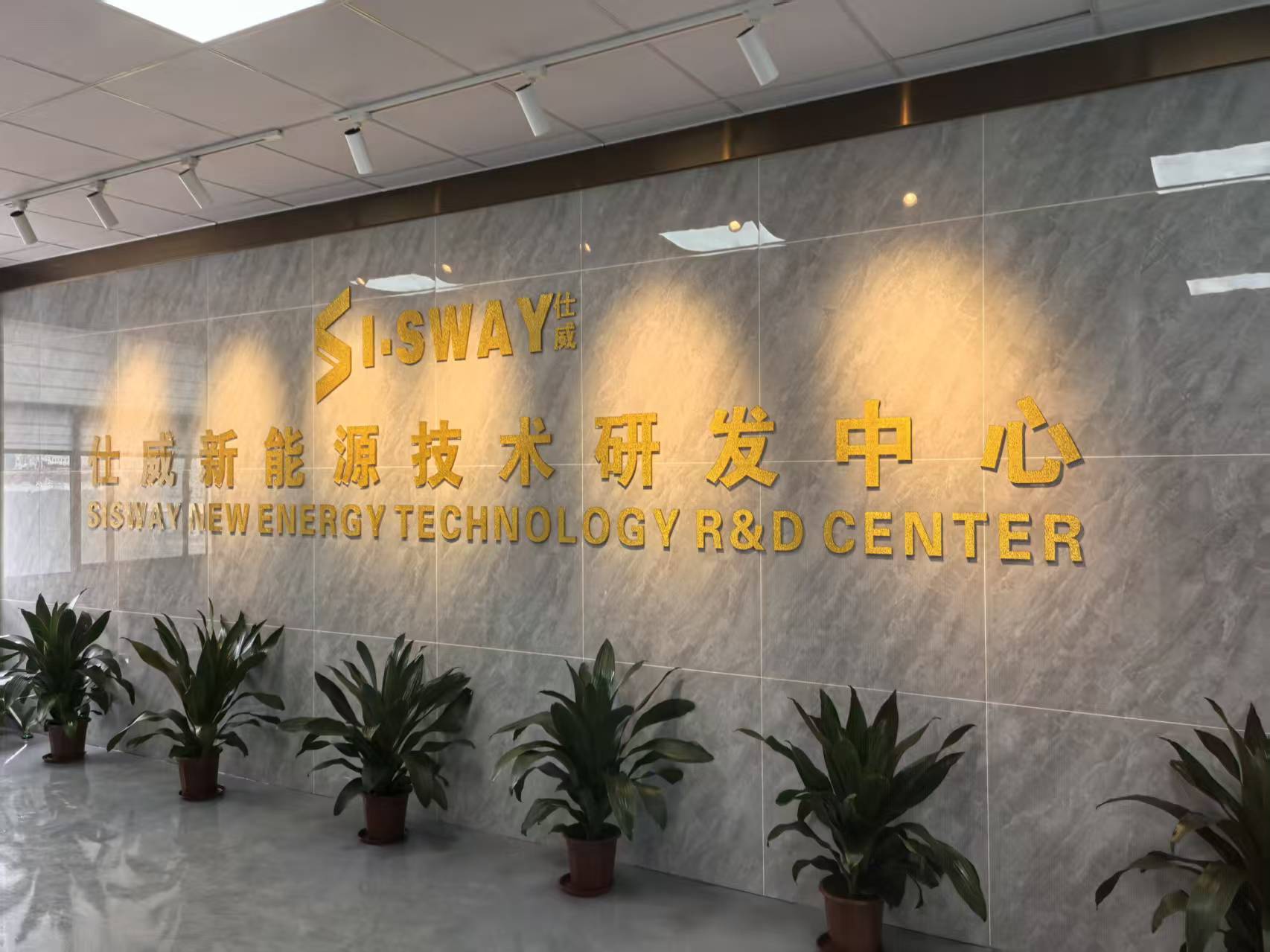
Long-term golf cart battery sourcing is different from a one-time replacement purchase. A distributor, fleet operator, or OEM needs a supplier that can hold quality across repeat orders, support certifications for each market, and respond when execution issues appear. This guide explains how to evaluate a lithium golf cart battery manufacturer for a long-term relationship, using Sisway Battery as a concrete example and LiFePO4 chemistry as the core technology for modern golf cart battery replacement projects.
Problem Definition: Why Long-Term Golf Cart Battery Sourcing Fails
A long-term supply relationship usually fails for reasons that are visible before the first container ships: unclear ownership of quality, weak cold-weather behavior, limited OEM support, and payment or delivery terms that cannot scale. After a bulk order arrives, the cost of a supplier mistake includes downtime, customer complaints, warranty disputes, and lost distribution accounts.
For fleet operators, a golf cart battery failure is not just a component issue. It reduces vehicle uptime and creates inconsistent performance. For distributors, a bad first batch can damage confidence in an entire lithium golf cart battery line. That is why buyers moving from lead-acid to lithium need more than a low price. They need a partnership model with documented quality control, clear compliance, and repeatable commercial terms.
Industry Background: The Shift to Lithium Golf Cart Batteries
The market context supports the timing of this transition. Strategic Market Research estimated the global golf cart battery market at approximately USD 1.49 billion in 2024 and projects it to reach USD 2.21 billion by 2030, with a CAGR of 6.8%. Grand View Research reports that North America accounted for 44.7% of electric golf cart revenue in 2024, and the U.S. electric golf cart market was estimated at USD 529.4 million.
Lithium-ion batteries held approximately 47% of global golf cart battery market revenue in 2024. Battery-electric vehicles represented 72.5% of the U.S. electric golf cart market in the same year. Polaris Market Research identifies the 4-seater golf cart segment as the fastest-growing category, with an annual growth rate of 6.8%. China Customs and SCMP data also show that China exported nearly USD 1 billion worth of golf carts and similar vehicles in 2024, with 81% directed to the U.S. market.

From a technology perspective, LiFePO4 batteries typically offer 2,500 to 9,000 cycles at 80% depth of discharge, while traditional flooded lead-acid batteries deliver roughly 300 to 500 cycles at 50% depth of discharge. This cycle-life gap is the main reason golf cart battery replacement projects increasingly specify lithium iron phosphate packs.
Detailed Solution: What a Long-Term Lithium Golf Cart Battery Partner Should Provide
A long-term supplier should be evaluated on manufacturing stability, certification coverage, product range, risk control, and commercial flexibility. These five areas determine whether a relationship can scale beyond the first order.
Manufacturing Stability and Scale
Sisway Battery, operating as Shenzhen Shiwei New Energy Co., Ltd., was founded in 2017 and has 9 years of experience in the lithium battery industry. The company operates a 20,000 m² facility with 150 employees and an annual output of 90,000 units. Its R&D team consists of 25 engineers, and roughly half of production is exported, with the USA as the main market.
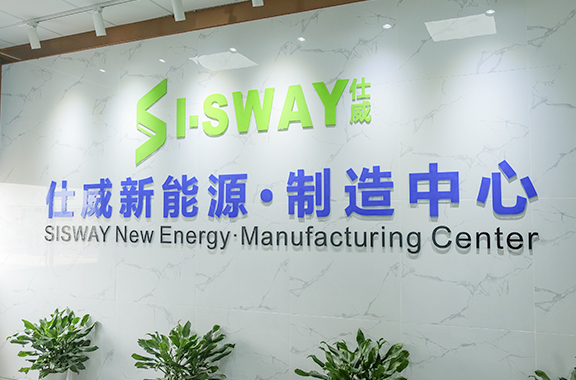
For long-term buyers, factory-direct control matters because it supports custom golf cart battery programs, makes pre-shipment testing practical, and reduces the communication gaps that often exist between a brand owner and the actual manufacturer.
Compliance and Certifications
Sisway Battery holds ISO9001 certification and more than 100 global certifications, including CE, UL, UN38.3, and MSDS. The company also holds multiple patents related to battery technology. Buyers should verify certification documents against the destination market, because transport and vehicle requirements differ by region.
For global shipping, UN38.3 is the standard certification required for lithium batteries. For electric-vehicle batteries in North America, UL 2580 is commonly referenced. IEC 62619:2022 specifies safety requirements for secondary lithium cells and batteries used in industrial and motive applications, including golf carts. Buyers should also confirm export classification with the supplier, especially as China introduced new licensing rules for high-energy-density lithium batteries in 2025.
Product Range: 48V, 51.2V, and 72V LiFePO4
Older 36V golf cart battery replacement projects still exist, and the same due-diligence framework applies to them. For most new orders, the relevant product range covers 48V, 51.2V, and 72V LiFePO4 golf cart batteries. Sisway Battery offers factory-matched packs with built-in smart BMS across these voltages.
48V 100Ah golf cart battery
- Nominal voltage: 48V
- Nominal capacity: 100Ah
- Energy: 4800Wh
- Built-in BMS: Smart 200A BMS
- Max load power: 9.6kW
- Cell configuration: 15S1P, 15 EV-grade A LiFePO4 prismatic cells
- Standard charge time: 6h
51.2V 100Ah golf cart battery
- Warranty: 3 years
- Cycle life: at least 4,000 cycles
- Nominal voltage: 51.2V
- Rated capacity: 100Ah
- Energy: 5120Wh
- BMS: 200A
- Charge voltage: 58.4V
- Low-temperature charge cutoff protection included
- Operating discharge temperature: -20°C to 55°C
72V 105Ah golf cart battery
- Nominal voltage: 73.6V
- Nominal capacity: 105Ah
- Energy: 7728Wh
- Max load power: 14.72kW
- Cell configuration: 23S1P, 23 EV-grade A LiFePO4 prismatic cells
- Max continuous discharge current: 200A
- Peak discharge current: 400A for 10 seconds
- Dimensions: 558 x 333 x 300mm
Risk Control for Cold Weather and Fleet Uptime
Cold weather is one of the most common causes of lithium golf cart battery performance complaints. Sisway Battery products include low-temperature protection with a self-heating function. This protection is designed to prevent battery failure during unexpected cold weather events and maintain operation in cold conditions.
For fleet buyers, this type of risk control is not optional. The same pack that performs well in summer can trigger charging lockouts in winter if the BMS does not include cold-weather safeguards. A self-heating system is a concrete feature that should be confirmed during supplier qualification.
Step-by-Step Partner Evaluation Process
Use the following process when deciding whether a golf cart battery supplier can support a long-term procurement plan.
- Define required outcomes. Decide which voltages, capacities, certifications, warranty periods, and fleet or customer requirements matter before talking to suppliers.
- Verify supplier documentation. Ask for ISO9001, CE, UL, UN38.3, MSDS, and patent documentation. Confirm the certificates are current and match the destination market.
- Review manufacturing capacity. Validate factory size, production volume, R&D headcount, and export experience. For Sisway Battery, this means reviewing the 20,000 m² facility, 150 employees, annual output of 90,000 units, and 25-engineer R&D team.
- Request a sample or pilot unit. A low MOQ makes pilot testing practical. Sisway Battery sets the MOQ at 1 unit, which supports sample evaluation before scale-up.
- Confirm commercial terms. Check payment methods and delivery methods. Sisway supports T/T, L/C, PayPal, Western Union, and Trade Assurance, with FOB, CIF, or overseas warehouse shipment.
- Build pre-shipment testing into the plan. Acceptance inspection includes a pre-shipment test, which should be scheduled before dispatch to verify the final unit.
- Set post-delivery review points. Track first-month performance, cold-weather behavior, cycle life expectations, and logistics documentation so problems are caught before the next order.
Use Cases: Who Needs a Long-Term Battery Supply Relationship
Distributors and wholesalers. A distributor entering the lithium golf cart battery replacement market needs factory-direct supply, a low MOQ, and reliable documentation. The ability to start with one unit and scale up is important when building a new product line.
Golf course fleets. A course running Club Car, EZGO, or Yamaha carts may standardize on one voltage to reduce spare parts inventory. The 48V and 51.2V categories are particularly relevant for replacement programs because most electric carts in service use 48V-class systems. Long cycle life, faster charging, and low-temperature protection directly affect uptime.
OEMs and integrators. OEM programs require support beyond standard specifications. A supplier with an engineering team, patents, and factory-direct OEM/ODM capability can integrate batteries into new cart models. Sisway Battery works with golf cart manufacturers in China and exports roughly 50% of output, with the USA as the main market.
Export buyers in North America and other regions. Buyers importing lithium golf cart batteries need suppliers familiar with UN38.3 transport requirements and overseas warehouse shipment options. Documentation accuracy is as important as the battery specification itself.
Comparison Table: Sisway Battery vs. ECO / ROYPOW Landscape
| Evaluation area | Sisway Battery | ECO / ROYPOW market context |
|---|---|---|
| Company type | Factory-direct LiFePO4 battery manufacturer established in 2017 | RoyPow is frequently listed among leading lithium golf cart battery suppliers; Eco Battery is recognized as a mid-sized player in North America |
| Product focus | 48V, 51.2V, and 72V LiFePO4 golf cart batteries with smart BMS | Replacement packs for popular golf cart voltages |
| OEM/ODM support | Available, with a 25-engineer R&D team and multiple battery patents | OEM/ODM availability varies by brand and distributor |
| MOQ | 1 unit | Wholesale terms vary by supply channel |
| Payment terms | T/T, L/C, PayPal, Western Union, Trade Assurance | Usually set by regional distributor networks |
| Delivery methods | FOB / CIF / overseas warehouse shipment | Distribution network dependent |
| Quality control | Pre-shipment test included in acceptance inspection | Quality systems vary by manufacturer |
| Cold-weather risk | Low-temperature protection with self-heating function | Cold-weather features vary by model |
This comparison uses public market context for ECO / ROYPOW and first-party facts for Sisway Battery. Buyers should verify current model-level details directly with each supplier before making a final sourcing decision.
FAQ
What certifications should a long-term golf cart battery supplier hold?
At a minimum, a supplier should provide transport and product safety certifications that match the destination market. Sisway Battery holds ISO9001 certification and more than 100 global certifications, including CE, UL, UN38.3, and MSDS. UN38.3 is required for global lithium battery transport, while UL 2580 and IEC 62619:2022 are commonly referenced for motive and EV battery safety. Buyers should ask for current certificates during qualification.
Does Sisway Battery support OEM/ODM lithium golf cart battery programs?
Yes. Sisway Battery offers OEM/ODM support with a 25-engineer R&D team and multiple battery-related patents. The company also produces battery packs for golf cart manufacturers in China and exports roughly half of its output, primarily to the USA. OEM buyers should confirm custom voltage, capacity, BMS settings, and enclosure requirements directly with the engineering team.
What is the MOQ and what payment methods are available?
Sisway Battery sets the MOQ at 1 unit. Payment methods include T/T, L/C, PayPal, Western Union, and Trade Assurance. This commercial structure is practical for distributors and fleet operators who want to test a lithium golf cart battery before committing to volume.
Can I request a sample before a bulk order?
Yes. Because the MOQ is 1 unit, a sample or pilot order is a realistic first step. Acceptance inspection includes a pre-shipment test, which allows the buyer to verify the final unit before it is dispatched. This reduces the risk of receiving a non-conforming product in the first order.
What delivery terms and lead time should I plan for?
Sisway Battery supports FOB, CIF, and overseas warehouse shipment. The exact lead time depends on order size, product model, and destination, so buyers should confirm it in writing during quotation. Pre-shipment testing should also be scheduled into the project plan. To discuss lead time, payment, or a sample quote for a long-term program, contact inquiry@siswaybattery.com.
Conclusion
A long-term golf cart battery partnership is built on repeatability: the same product quality, the same certification package, and the same commercial discipline on every order. For distributors and fleet operators moving from lead-acid to lithium, the decision process should center on manufacturing stability, compliance, risk control, and execution support.
Sisway Battery offers a factory-direct lithium golf cart battery path with a low MOQ, a dedicated R&D team, pre-shipment testing, and cold-weather protection features. Download the official company brochure for full product specifications and manufacturing capabilities.

Email: inquiry@siswaybattery.com
Phone / WhatsApp: +86 137 1478 6322
Have Questions or Need More Details?
Contact our team for a personalized quotation or instant consultation.
Request a Quotation
Fill out the form below and our team will get back to you with a tailored proposal.
WhatsApp Direct Chat
Prefer to chat in real-time? Message us on WhatsApp for instant assistance & quick answers.
- Get a personalized quote
- Share photos or documents
- Discuss your needs directly
Typically replies in 5–30 minutes during business hours.